


What Is Living in Tulsa, Oklahoma Really Like? 3 Things That May Surprise You
If Tulsa has recently come onto your radar, there is a good chance you are trying to answer a much bigger question than:
“How much house can I buy there?”
Maybe you work remotely and can live almost anywhere.
Maybe you have seen Tulsa show up on lists of more affordable cities.
Maybe someone mentioned the neighborhoods, the quality of life, or the slower pace.
But choosing where to live is completely different from comparing home prices online.
You want to know:
What does Tulsa actually feel like?
What do people do on weekends?
Is there culture?
Do people get involved in the community?
Will you be bored?
Will you need to drive everywhere?
And most importantly:
Does the Tulsa lifestyle match what you want your next season of life to look like?
After living in the Tulsa area for decades and helping relocation buyers move here from across the country, there are three things I think tell you much more about Tulsa than a simple list of statistics ever could.
They are:
- The Gathering Place
- Tulsa’s architecture and history
- Tulsa Remote
On the surface, those may sound like three unrelated topics.
They are not.
Together, they tell you something important about what Tulsa values—and why people who had plenty of other choices are deciding to make this city home.
1. The Gathering Place Says a Lot About Tulsa
If you have already started researching Tulsa, you may have heard about Gathering Place.
It is Tulsa’s major riverfront park along the Arkansas River.
But simply calling it a park does not really explain what it is.
It is the kind of place where you might see:
- families on the playground
- people walking along the river
- someone working on a laptop
- kids attending an event
- yoga on the lawn
- live music
- friends meeting for coffee
- people eating lunch
- residents spending an ordinary Saturday afternoon
That last part is what matters.
Gathering Place is not simply something tourists visit once and check off a list.
It has become part of everyday Tulsa life.
A Major Community Investment
Gathering Place was created through significant private philanthropy led by the George Kaiser Family Foundation and supported by many other donors.
That story matters because it tells you something about Tulsa.
This is a community where people were willing to invest heavily in creating a public place designed for everyone to enjoy.
And admission is free.
For a city Tulsa’s size, that kind of civic investment can surprise relocation buyers.
You are not just getting another playground.
You are getting a large-scale community space intentionally designed around connection.
What Do People Actually Do at Gathering Place?
This is where it becomes relevant to your life.
You can go there for:
- playgrounds
- trails
- live music
- seasonal events
- yoga
- food
- coffee
- Wi-Fi
- working remotely
- meeting friends
- family outings
- simply sitting outside
I have even worked from the lodge before.
You can grab coffee, open the laptop, use the Wi-Fi, and have a completely different work environment without paying for a coworking membership.
Then you can leave work behind and walk the park.
That is the kind of amenity that improves everyday life rather than simply looking good in a tourism brochure.
Why Gathering Place Matters to Relocation Buyers
A lot of people moving to Tulsa are coming from bigger cities.
And one concern I hear is:
“Are we going to have enough to do?”
Gathering Place is one of those places that starts answering that question.
It shows that Tulsa can give you:
community + outdoor life + events + family activities
without needing the intensity or expense of a much larger city.
That combination is a big part of Tulsa’s appeal.
2. Tulsa Has Far More Architectural Character Than People Expect
The second thing that surprises many first-time visitors is Tulsa’s architecture.
Especially downtown.
Tulsa developed rapidly during the oil-boom era, when significant wealth was flowing into the city.
That brought architects, designers, developers, and influences from across the country.
The result is that Tulsa ended up with an architectural identity that feels much richer than many people expect from a city of its size.
Tulsa’s Art Deco Legacy
Downtown Tulsa is especially known for its Art Deco architecture.
When you walk through downtown, you are not looking at a completely generic modern skyline.
You see buildings with:
- detailed facades
- ornate interiors
- craftsmanship
- geometric designs
- historic materials
- real architectural personality
That history still exists throughout the city today.
Buildings That Give Downtown Tulsa Its Identity
Some of the places referenced in the tour include:
- Boston Avenue Methodist Church
- Philcade Building
- Tulsa Club
- buildings throughout the Deco District
And the architecture is not something you only admire from the sidewalk.
A lot of these historic spaces have been restored and repurposed.
Today you can:
- eat in them
- stay in them
- attend events
- take architectural tours
- explore Tulsa’s tunnel system
- experience the history as part of everyday downtown life
That is important.
Tulsa has history—but it is not frozen in time.
Downtown Tulsa Has Changed Dramatically
Tulsa’s downtown has gone through significant revitalization over the past several decades.
Historic buildings have been restored.
Restaurants and entertainment have expanded.
Arts and music have become a larger part of downtown life.
And that gives Tulsa something relocation buyers do not always expect:
a strong sense of identity.
It does not feel like every other mid-sized American city.
Tulsa Is Not Just New Subdivisions
When people first start researching Oklahoma real estate, sometimes they imagine nothing but newer suburban developments.
Those exist.
But Tulsa also gives buyers access to some very different housing environments.
You can find:
- historic Midtown neighborhoods
- bungalows
- older estates
- Art Deco influences
- mature trees
- newer infill construction
- luxury new construction
- suburban communities
- acreage
That variety matters because your Tulsa experience can look completely different depending on where you decide to live.
3. Tulsa Remote Changed the Way People Discover Tulsa
The third thing that says a lot about modern Tulsa is Tulsa Remote.
Tulsa Remote is a program designed to attract eligible remote workers to relocate to Tulsa.
The program is probably one of the reasons many people outside Oklahoma hear about Tulsa for the first time.
And that matters.
Because these are people who can often work from almost anywhere.
They are not moving here because an employer forced them to.
They are actively evaluating cities.
Why Tulsa Remote Is More Important Than the Incentive
Yes, the financial incentive gets attention.
But the bigger story is what happens after people get here.
Tulsa Remote has helped introduce Tulsa to:
- entrepreneurs
- professionals
- creatives
- remote employees
- people moving from larger metros
- people relocating from other parts of the country and world
Those newcomers become part of the community.
You see their influence in:
- coffee shops
- restaurants
- businesses
- networking communities
- arts
- entrepreneurship
That adds another layer to Tulsa.
People Are Choosing Tulsa When They Could Choose Somewhere Else
This is the part relocation buyers should pay attention to.
Many remote workers have flexibility.
They can choose from dozens of cities.
So when Tulsa attracts people who genuinely have options, it says something about what the city offers.
Tulsa can compete on more than affordability.
It offers a lifestyle.
And many people who initially discover Tulsa through a relocation program end up seeing the city completely differently once they actually live here.
What Surprises People Most After Moving to Tulsa?
One of the things I hear repeatedly from people relocating here is that Tulsa does not feel like what they imagined Oklahoma would feel like.
They are surprised by:
- the neighborhoods
- restaurants
- music
- parks
- arts
- community
- green space
- housing
- shorter drives
- slower pace
The gap between what people expect Tulsa to be and what they actually experience is one of the reasons I make so much relocation content.
Because Google can tell you a median home price.
It cannot really tell you what Tuesday evening feels like.
What Is the Pace of Life Like in Tulsa?
This is where I want to be completely transparent.
Tulsa is not New York.
It is not Chicago.
It is not Los Angeles.
If you need constant 24-hour energy, Tulsa probably is not going to give you the lifestyle you want.
Things close earlier.
Nightlife is more limited.
You are not going to have something happening every hour of every day.
And for some people, that is a negative.
For others?
That is exactly the point.
Tulsa Gives You Culture Without Constant Intensity
You can still have:
- museums
- live music
- restaurants
- festivals
- architecture
- performing arts
- parks
- sporting events
- a growing downtown
But you can also go home afterward to a quieter neighborhood.
You can have dinner downtown, attend an event, and still be back home that evening without structuring your entire day around traffic.
That is the tradeoff many relocation buyers love.
Tulsa Is a Car-Dependent City
This is another thing you need to know before moving here.
You will probably want a car.
There are more walkable pockets—particularly in Midtown and around areas such as Brookside—but Tulsa as a whole is car-dependent.
If your goal is to live somewhere where you never need a vehicle, Tulsa is probably not your city.
But there is another side to that.
Because the metro is relatively manageable, many residents can get where they need to go without dealing with the levels of congestion common in much larger cities.
That can materially change your daily quality of life.
Less Time in Traffic Can Mean More Time Living
This is one of Tulsa’s most underrated advantages.
Your life is not just your mortgage payment.
It is also how many hours you lose every week getting from one place to another.
If you can spend less time commuting, you get that time back for:
- family
- dinner
- workouts
- hobbies
- friends
- kids
- outdoor activities
- simply being home
That is what I mean when I talk about lifestyle elevation.
Sometimes a better life is not about doing more.
It is about having more time for what already matters.
Who Usually Loves Living in Tulsa?
Tulsa tends to resonate with people who want a combination of:
- more manageable cost of living
- more housing for their budget
- less congestion
- friendly community
- culture
- parks
- restaurants
- music
- arts
- outdoor spaces
- slower pace
- access to suburban neighborhoods
- room to spread out
It can be especially attractive to relocation buyers coming from markets where daily life has become expensive, crowded, stressful, or overly complicated.
Who Might NOT Love Tulsa?
I never want to tell someone Tulsa is perfect for everyone.
It is not.
You may not love Tulsa if your priorities include:
- true 24-hour city energy
- extensive public transportation
- never owning a vehicle
- extremely dense urban living
- constant nightlife
- big-city scale everywhere you go
That is why relocation should never be about convincing someone that Tulsa is amazing.
It should be about helping you determine whether Tulsa is amazing for you.
That is a completely different conversation.
The Real Question: Does Tulsa Match the Way You Want to Live?
Instead of asking:
“Is Tulsa a good place to live?”
I would ask:
“Does Tulsa support the life I want next?”
Maybe you want:
- a bigger house
- shorter commute
- a quieter neighborhood
- more family time
- access to parks
- restaurants nearby
- a historic home
- new construction
- acreage
- a place to raise kids
- a place to slow down
- a city where you can still build community
Those priorities tell us far more than any generic “best cities” list.
Where You Live Within Tulsa Matters Just as Much as Choosing Tulsa
Tulsa is not one lifestyle.
Living in Midtown feels different from living in Bixby.
Bixby feels different from Owasso.
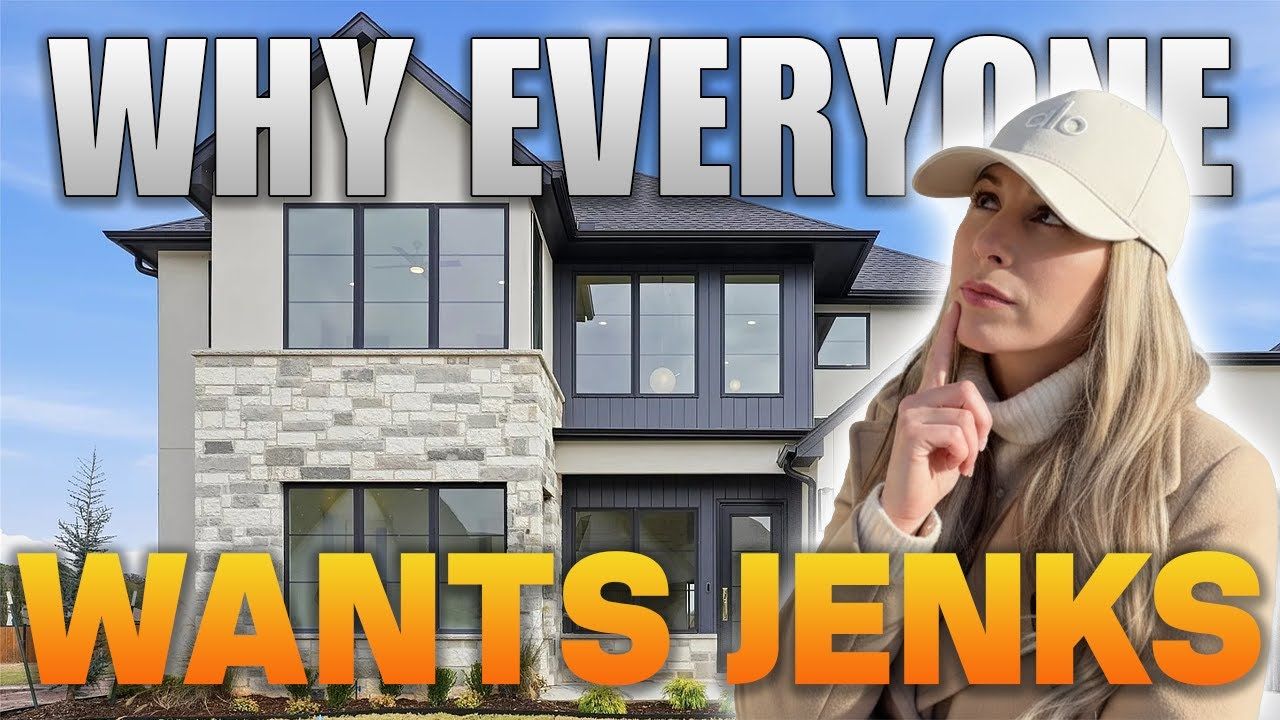
Owasso feels different from Jenks.
Jenks feels different from Broken Arrow.
And even within those communities, individual neighborhoods can feel dramatically different.
That is why I constantly tell relocation buyers:
The right house in the wrong area is still the wrong house.
FAQ: Living in Tulsa, Oklahoma
What is living in Tulsa, Oklahoma really like?
Tulsa offers a slower, more manageable pace than many major metros while still providing restaurants, parks, museums, live music, cultural attractions, historic architecture, and a variety of neighborhoods and suburbs.
Is Tulsa a good city for remote workers?
Tulsa can be appealing to remote workers because of its relatively manageable cost structure, housing options, community, cultural amenities, and programs such as Tulsa Remote.
Do you need a car in Tulsa?
For most residents, yes. Tulsa is largely car-dependent, although certain Midtown neighborhoods offer more walkability than the metro overall.
Is Tulsa boring?
That depends on what you want. Tulsa has parks, museums, restaurants, live music, festivals, performing arts, sports, architecture, and outdoor activities. However, it does not offer the round-the-clock energy of cities such as New York, Chicago, or Los Angeles.
What is Gathering Place in Tulsa?
Gathering Place is a large riverfront public park in Tulsa with playgrounds, trails, events, food, gathering spaces, and recreational areas designed for residents and visitors.
Why is Tulsa known for Art Deco architecture?
Tulsa experienced major economic growth during the oil-boom era, which brought significant investment and architectural talent into the city. Many notable buildings from that period remain part of downtown Tulsa today.
What is Tulsa Remote?
Tulsa Remote is a relocation program for eligible remote workers that offers financial and community support for moving to Tulsa.
Is Tulsa a good place to relocate from a bigger city?
Tulsa can be a strong fit for people who want more manageable driving, greater housing flexibility, parks, cultural amenities, and a slower pace without giving up access to restaurants, entertainment, and community life.
Thinking About Moving to Tulsa?
If Tulsa is starting to feel like a place you could actually see yourself living, the next step is not to start randomly clicking houses online.
Start with your life.
What matters most to you?
Do you want walkability?
Acreage?
A master-planned community?
Historic architecture?
New construction?
A shorter airport drive?
A particular commute?
A quieter neighborhood?
Restaurants and culture nearby?
Those answers tell us where you should be looking.
And that is where our relocation process begins.
Option 1: Download the Tulsa Relocation Guide
If you’re still researching Tulsa and comparing Bixby, Jenks, Owasso, Broken Arrow, Midtown, South Tulsa, and the surrounding areas, start here:
Download the Tulsa Relocation Guide:
https://sabrinashawtulsarealtor.com/relocation-guide
Option 2: Schedule Your Tulsa Relocation Blueprint Call
If you're seriously considering the move, schedule a complimentary Tulsa Relocation Blueprint Call.
We’ll spend about 30–45 minutes learning:
- what is bringing you to Tulsa
- your timeline
- your family situation
- your lifestyle
- your commute
- what you want in a home
- what you want to avoid
Then we can start narrowing down which parts of the Tulsa metro actually make sense for you.
Schedule your Tulsa Relocation Blueprint Call:
https://bit.ly/RelocationBlueprint
Whether you’re moving in 9 days, 90 days, or 9 months, it is never too early or too late to start planning.
Because our job is not simply to find you a house in Tulsa.
It is to help you find the right house in the right part of Tulsa for the life you actually want to live.
Sabrina Shaw
📞 918-637-7826
✉️ sabrinashaw@allwaysrealtygroup.net
Allways Realty Group — brokered by eXp Realty