


Living in Tulsa, Oklahoma: 7 Myths People Believe (Until They Visit)
If Tulsa, Oklahoma just popped onto your radar—maybe because of a job opportunity, Tulsa Remote, or a simple “wait… should we consider Tulsa?” conversation—there’s a good chance you’ve heard the stereotypes.
You know the ones: tumbleweeds, tractors, hillbillies, and nothing to do.
But here’s what I see over and over: the moment people actually visit Tulsa (and I show them around), they’re surprised—in a really good way.
Hi, I’m Sabrina Shaw, a local real estate agent here in the Tulsa area. My team and I create these videos and guides so you can get a real, honest feel for what living in Tulsa is actually like—the lifestyle, the neighborhoods, the pros, the cons, and everything in between.
Let’s break down the biggest myths—and what you can expect instead.
Myth #1: “Tulsa is just hillbillies, tractors, and tumbleweeds.”
Tulsa is not a one-note town. It’s a real metro with real variety, and the Tulsa metro area is home to more than 1 million residents.
What surprises many relocation buyers most is the vibe:
- People are genuinely friendly (yes, doors get held open)
- You’ll hear “yes ma’am” and “yes sir”
- If you’re stuck on the side of the road, someone often will stop to help
And Tulsa’s history matters here. Tulsa’s oil-era wealth created a very different story than the “typical” Midwest stereotype—especially in architecture and culture.
Myth #2: “There’s nothing to do in Tulsa.”
Tulsa has a lot going on—arts, sports, music, festivals, and community events.
A few examples from the Tulsa lifestyle bucket:
- First Friday Art Crawl in the Arts District (a local favorite)
- A strong live performance scene (symphony, ballet, opera, Broadway touring shows)
- Baseball nights with the Tulsa Drillers
- Soccer with FC Tulsa, which returned to the playoffs in recent seasons
And nationally, Tulsa has been showing up more often on travel radars. Tulsa has been listed by The Wall Street Journal as one of the top places to visit in 2026, tied to the Route 66 centennial and Tulsa’s cultural attractions.
Myth #3: “Tulsa is boring… no culture, no personality.”
Tulsa has a strong identity—especially downtown and Midtown.
One of the coolest “wow” moments for newcomers is the Art Deco architecture downtown. Tulsa is frequently recognized for its concentration of Art Deco buildings, a legacy of the oil boom era (and it’s absolutely worth a guided architecture tour if you’re into design/history).
And Tulsa’s music culture is real. Tulsa is the birthplace of what’s often referred to as the “Tulsa Sound” (a blend of blues, rock, country influences), associated with artists like Leon Russell and J.J. Cale.
Myth #4: “You can’t get good food in Tulsa.”
Tulsa’s food scene has been getting national attention, and locals have been saying it for years: it’s legit.
A major headline: Tulsa’s Country Bird Bakery (Cat Cox) won a James Beard Award for Outstanding Pastry Chef or Baker.
And if you want a fast way to sample Tulsa in one stop: Mother Road Market has earned USA TODAY 10Best Readers’ Choice “Best Food Hall” multiple years (including 2023–2025, per the venue).
Tulsa also has a strong local coffee + brewery scene—so if you’re coming from a city where “coffee culture” matters, you won’t feel like you’re giving that up.
Myth #5: “You won’t be able to shop for what you need.”
Tulsa has the big-name essentials relocation buyers always ask about—Costco, Whole Foods, Trader Joe’s—plus major big-box and home stores.
And then there’s the “Tulsa bonus”: local boutiques and curated shopping districts that feel personal, not cookie-cutter.
Myth #6: “Tulsa is flat and ugly.”
Tulsa is part of what Oklahomans call Green Country, and a lot of newcomers are shocked by how green it is once spring and summer hit.
If you’re picturing a concrete jungle or endless flat nothingness, that’s not the day-to-day experience for most neighborhoods. Tulsa has mature trees, parks, and rolling terrain that feels very livable.
Myth #7: “If you move to Tulsa, you’ll be in tornadoes like Twister.”
Yes—Oklahoma gets severe weather. Tulsa gets storms. Tornado warnings happen.
But here’s what most transplants learn quickly:
- Tornado coverage is taken seriously (weather alerts interrupt programming, everyone watches forecasts)
- Many residents have never personally experienced a direct tornado impact
- If you want peace of mind, you can choose a home with a safe room or add one
The important part: Tulsa is not “constant Twister mode.” Storms are part of life here, but for most residents it’s manageable, and the city functions normally.
The Real Reason People Relocate: Lifestyle Upgrade
This is the part that changes people’s minds.
A lot of my relocating clients are coming from high-cost, high-traffic cities (California, Dallas, Colorado, Oregon—places where housing and time have gotten expensive). Tulsa gives people two things back:
1) More home for the money
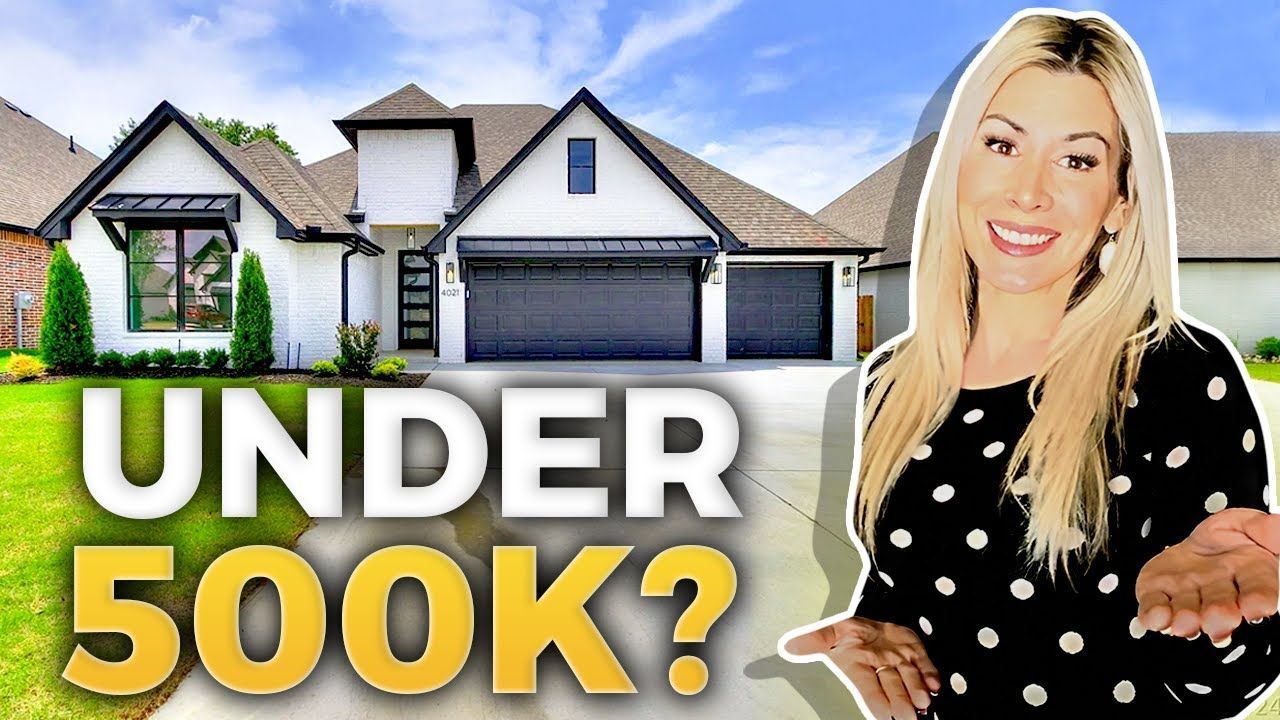
It’s not just that Tulsa housing can be lower than many major metros—it’s that buyers are often surprised by the quality of design and construction they can access at different price points.
2) Time back
Tulsa is very navigable. Less time stuck commuting often means more time for:
- parks and trails
- dinner out
- live music
- community events
- family time
That shift in pace is a huge part of why Tulsa “feels” like an upgrade for so many people.
Outdoor Life in Tulsa Is Real (And Active)
If you’re worried people “aren’t outdoorsy” here—Tulsa will surprise you.
Two standouts:
- River Parks: miles of trails for walking, running, biking
- The Gathering Place: a world-class park that’s been recognized nationally (including USA TODAY’s Best City Park of 2024, and other major travel mentions).
Add in spots like Turkey Mountain for hiking/biking trails, and you’ve got plenty of ways to stay active without driving an hour outside town.
FAQ: Moving to Tulsa, Oklahoma
Is Tulsa Remote still a thing?
Yes—Tulsa Remote offers a $10,000 grant (and other benefits) to eligible remote workers who move to Tulsa.
Is Tulsa a big city?
Tulsa feels like a “mid-size city with big-city amenities.” The Tulsa metro is over 1 million residents, which is big enough for culture and variety without feeling overwhelming.
What’s the best part of daily life in Tulsa?
For many relocation buyers: shorter drives, easier parking, a friendlier pace, and a calendar that actually has things you want to go do.
Should I worry about tornadoes?
It’s smart to be weather-aware (like anywhere with storms). Most people choose the level of preparedness they want (safe room, shelter, or simply knowing your safe spot).
Want the “Real Tulsa” Tour + Neighborhood Match?
If Tulsa is on your radar—whether it’s a job offer, Tulsa Remote, or you’re just exploring—reach out and schedule a complimentary Relocation Blueprint Call.
We’ll map out:
- what you want your day-to-day life to look like
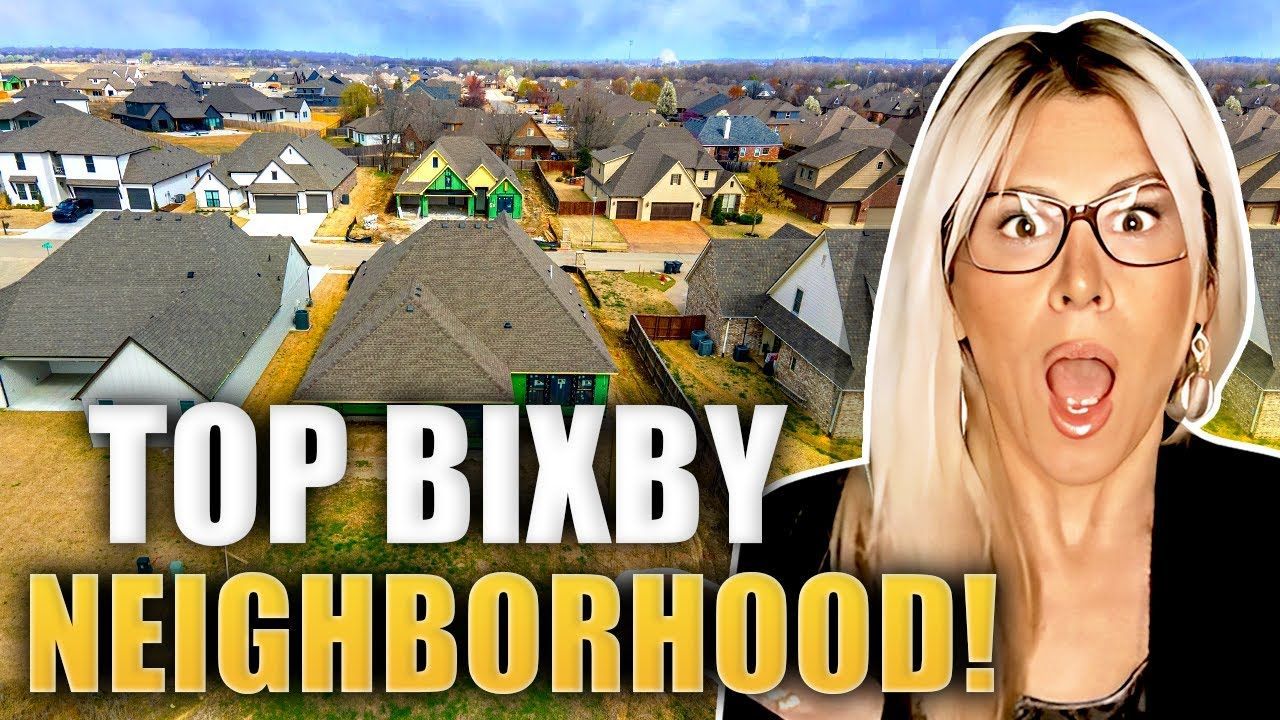
- the areas/suburbs that fit your lifestyle (Jenks, Bixby, Broken Arrow, Owasso, Midtown, etc.)
- the pros/cons you won’t see on Zillow
- and a plan to make your move seamless
When you’re ready, you won’t need to call a random agent online—you’ll already have a local team in your corner. 🩵
✅ Schedule your complimentary Relocation Blueprint Call here:
https://bit.ly/RelocationBlueprint
Sabrina Shaw
📞 918-637-7826
✉️
sabrinashaw@allwaysrealtygroup.net
Allways Realty Group — brokered by eXp Realty













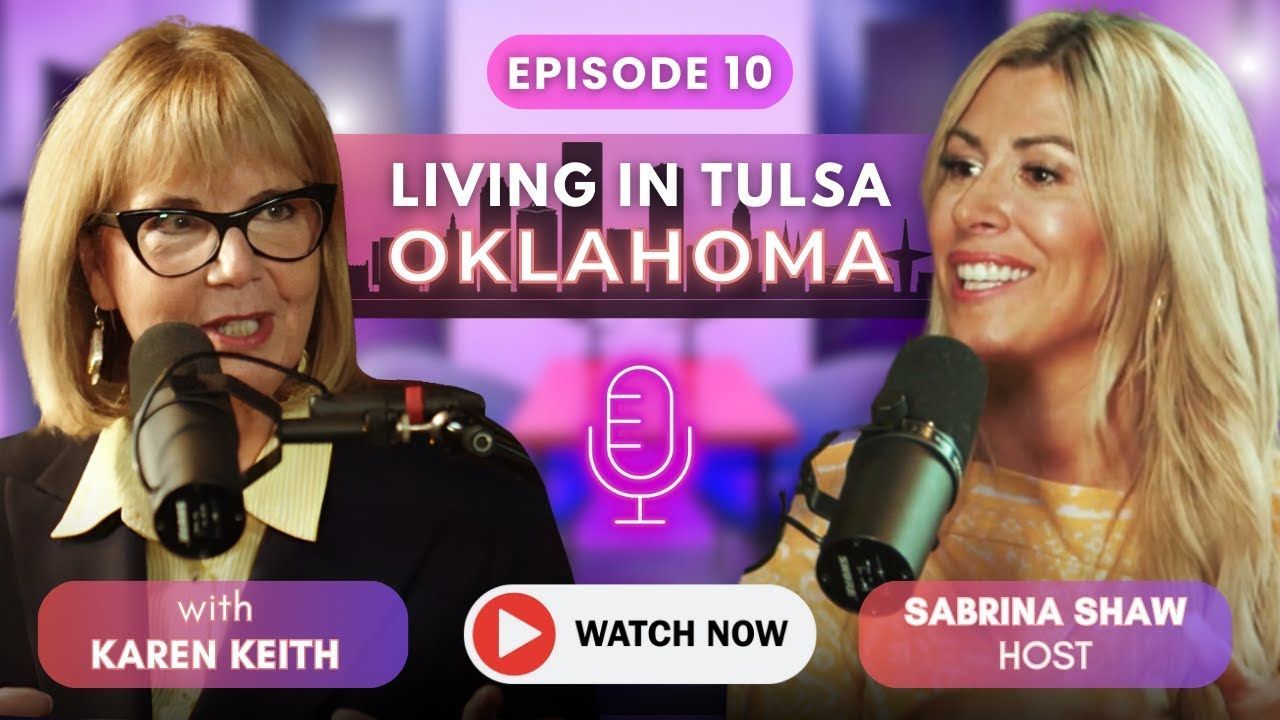
Living In TULSA Oklahoma Podcast: Special Guest Tulsa Mayoral Candidate KAREN KEITH | Tulsa Oklahoma